Jewellery Technology
What a jewellery tag has to carry
Gross weight, stone weight, and net weight are not three ways of saying the same thing. The tag and the invoice have to agree.
Octis Editorial · 18 October 2026 · 1 min read
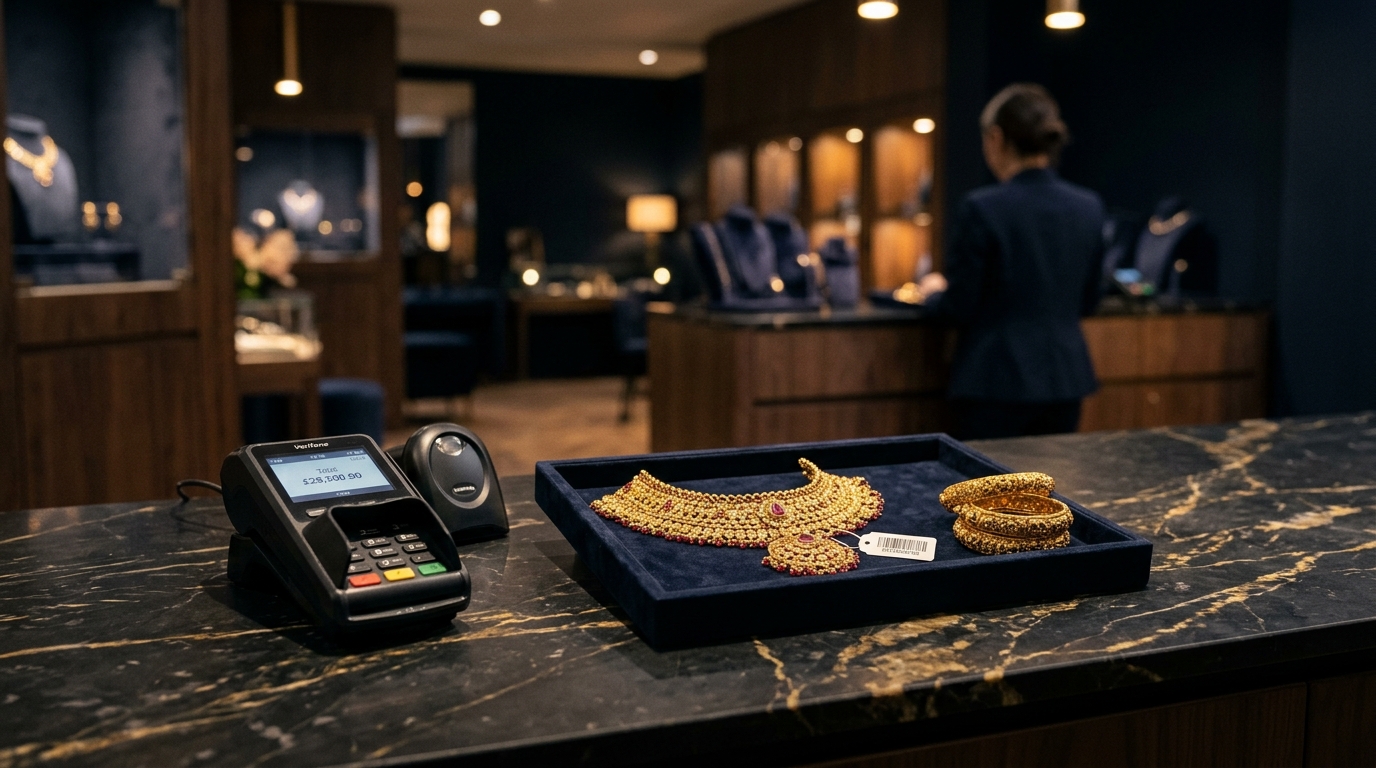
A showroom tag is a small record. It has to survive the counter, the vault, and the bill.
Gross weight is the piece as it sits on the scale, stones and findings included. Stone weight is what you deduct. Net weight is the metal you are actually pricing. If those three numbers live in different notebooks, the invoice will eventually disagree with the tray.
Hallmarking adds another field. A BIS HUID identifies the piece that was hallmarked. It belongs on the same record as the weights, not in a folder of certificates that nobody opens at billing time.
The tag should also say what the piece is: the item, the purity, and a code the counter can scan. The person billing should not have to retype a weight that was already taken when the piece was tagged.
What to check on the next ten tags
- Gross, stone, and net weight are all present
- Purity matches the piece, not a default left over from the last item
- The HUID, when the piece has one, is on the tag and can be printed on the invoice
- The tag code opens that same record at the counter