Pawn Industry
Loan-to-value starts with the metal
A gold-loan figure is only as good as the weight, purity, and rate underneath it. The ceiling is the last step, not the first.
Octis Editorial · 22 October 2026 · 1 min read
Loan-to-value is the loan amount divided by the value of the gold or silver pledged. The arithmetic is short. The work is in the value.
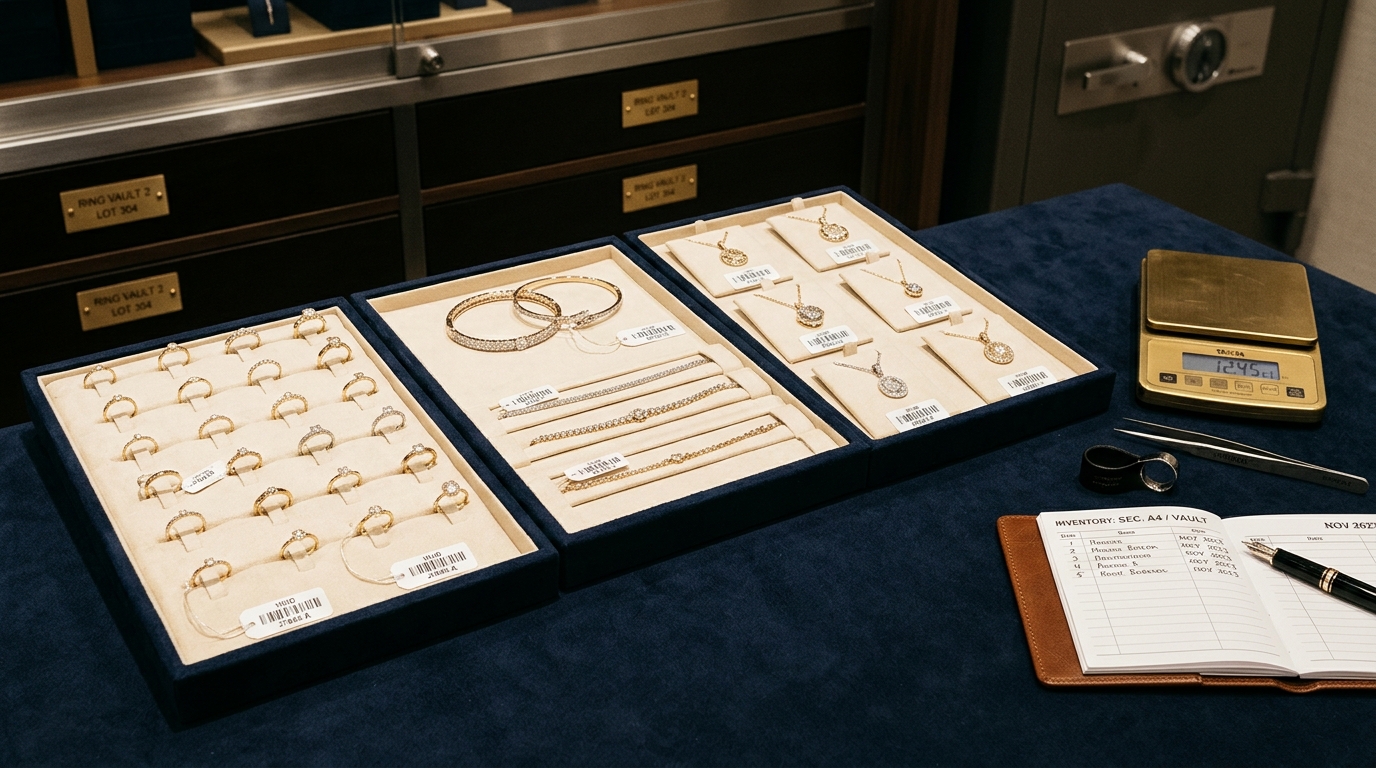
Value starts with the items on the desk. Each piece is weighed, purity is judged, and stones are kept apart from metal. A rate is applied after that. Only then does a ceiling matter.
For a regulated lender, the Reserve Bank of India sets a maximum loan-to-value, and that maximum has been revised before. Use the limit that applies to that lender now, not a percentage remembered from an older circular. An informal girvi counter and a regulated gold-loan company are not the same business. One rule sheet copied onto the other produces confident, wrong loans.
Repayment needs the same care. Charges, interest, and principal are not interchangeable. If the receipt does not say which part of the payment cleared which balance, the next visit starts an argument.
Before the pledge slip is printed
- Each item has its own weight and purity
- The rate used is the rate for that day, and it is written down
- The loan stays inside the ceiling that applies to this lender
- The customer can see weight, value, and the amount disbursed on one slip